
Nature Restoration
Resource-Based Economy & Nature Restoration
A resource-based economy (RBE)—often closely aligned with the principles of a circular, regenerative economy—aids nature restoration by transforming the human-nature relationship from one of extraction to one of active stewardship. By eliminating waste, circulating materials, and focusing on regenerative production, this model directly reduces pressure on ecosystems and allows them to repair, reconnect, and flourish
Here is how a resource-based economy aids nature restoration

Regenerative Agriculture & Farming
Instead of degrading soil with chemical inputs, a regenerative economy uses farming practices (e.g., agroforestry, agroecology) that rebuild soil health, increase biodiversity, and turn agricultural land into habitats that support nature.

Marine Ecosystem Repair
Regenerative ocean farming, such as 3D seaweed and shellfish farming, restores marine ecosystems by absorbing excess nutrients and carbon, providing habitats that boost marine biodiversity.

Restoring Biodiversity Pathways
By creating "nature-based economies" that focus on rewilding (e.g., restoring forests, peatlands, wetlands), these systems reinstate natural processes and provide space for wildlife.
Reducing Pressure via Circularity

Reducing Demand for Virgin Materials
A circular economy keeps products and materials in use longer (through reuse, repair, and recycling), reducing the need for destructive resource extraction like mining and intensive farming.

Reduced Land Use Pressure
When materials are circulated, less land is needed for producing raw materials (like crops or timber). This frees up land to be returned to nature, allowing for habitat restoration and rewilding.

Eliminating Waste and Pollution
By designing out waste and pollution, a circular model stops harmful pollutants from entering ecosystems, directly aiding the recovery of species and habitats.
Key Examples of Impact
- South Africa’s Working for Water: The program cleared invasive species from over 1 million hectares, supporting 20,000+ jobs and restoring natural biodiversity.
- Rewilding Initiatives: The Knepp Estate in Britain turned failing farmland into a thriving ecosystem, creating a Nature-Based Economy through eco-tourism and wildlife management.
- Mangrove Restoration in Seychelles: Restoration of mangrove forests reduces coastal erosion and boosts fisheries, protecting coastal ecosystems.Rewilding Britain +2
By integrating these strategies, a resource-based economy moves beyond "doing less harm" to actively repairing the natural systems that humanity depends on
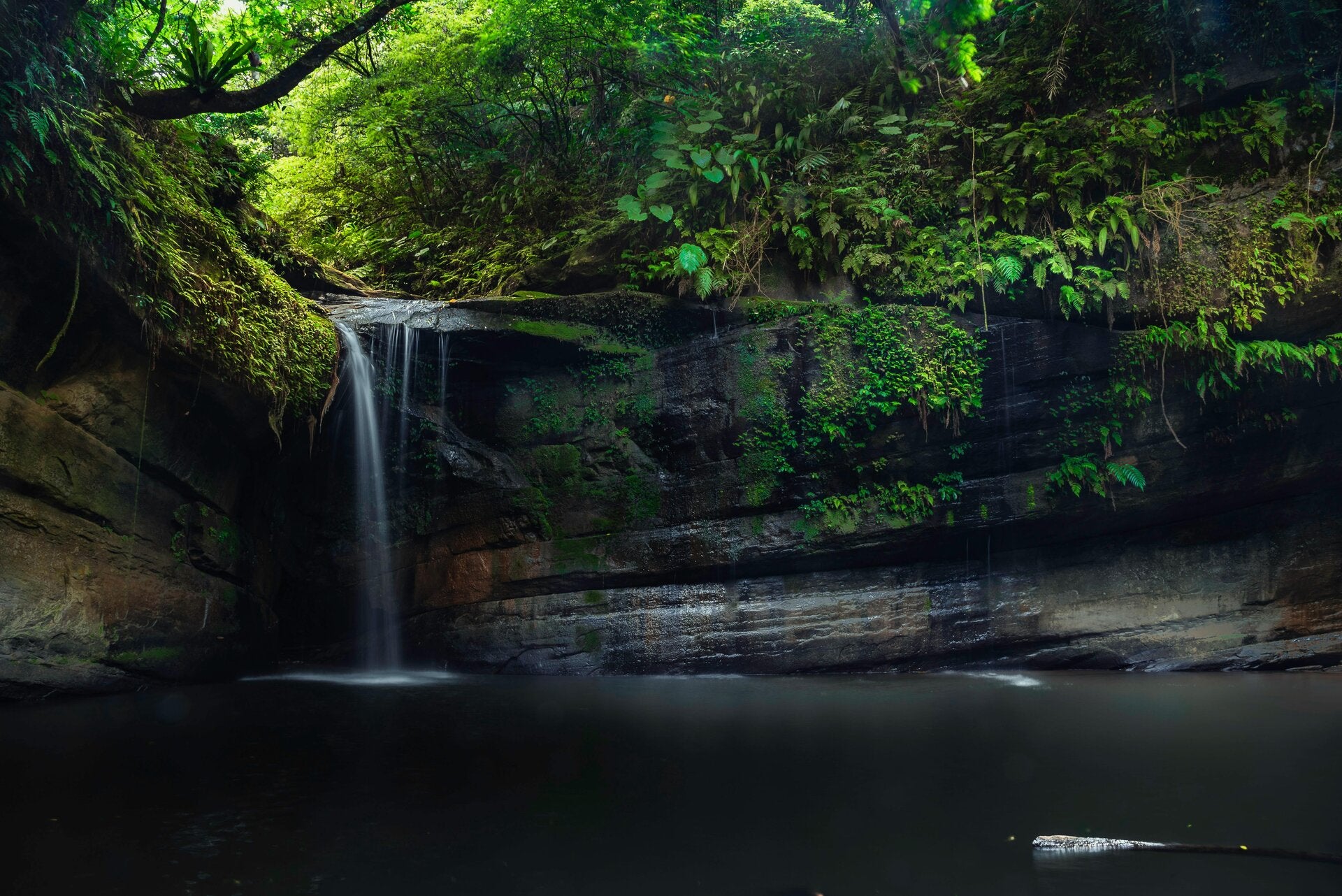
We can create a Garden of Eden
The Garden of Eden is the biblical, paradisiacal earthly home created by God for Adam and Eve in Genesis, representing a state of perfect innocence, harmony, and communion with God. Located in the east, it featured the Tree of Life and the forbidden Tree of Knowledge of Good and Evil